


Work log template
It’s easy to lose track of time, and lost time means missed deadlines, scope creep, and overwork. A work log template helps you track how you spend your time each day, so you can pinpoint where you're losing time and find ways to improve.
Sign up to create your own template.
Work log template
It’s easy to lose track of time, and lost time means missed deadlines, scope creep, and overwork. A work log template helps you track how you spend your time each day, so you can pinpoint where you're losing time and find ways to improve.
Create your templateSign up to create your own template.
INTEGRATED FEATURES
Recommended apps



Summary
With meetings, last-minute requests, and daily tasks, it’s easy to lose track of time at work. Knowing how you spend your hours is the first step to working more efficiently, and work log templates can help. In this article, you’ll find out what a work log is, why digital options are useful, what types of templates exist, and how to make one that helps you manage your time better.
What is a work log?
A work log is a chronological record of your completed tasks and the time each took. It gives you visibility into how you spend your time across meetings, focus time, and daily to-dos, organized by time block so you can quickly see where your hours go.
Without this visibility, losing track of time leads to missed deadlines and overwork. A work log helps you identify the root cause of lost time and reclaim your day.
What is a work log template?
A work log template, sometimes called a time log template, is a ready-made way to track how you spend your work hours. You can set up templates with custom tags, such as whether a task is billable, its priority, status, and other details.
The best part is that you can reuse work log templates. Once you’ve made your first one, you can use it again whenever you need. Just log in and start working.
Create a work log templateBenefits of a digital work log
Sure, you could track your time with a printable timesheet or an Excel sheet, but these options are limited. Printable logs lock you into a rigid format, and spreadsheets lack the flexibility and customization most teams need.
Read: Free timesheet template for any type of scheduleDigital work logs are customizable, flexible, and duplicatable. They give you at-a-glance visibility into your time with features like custom time-blocks and color-coded priority fields. Using a digital work log in a project management tool allows you to:
Keep track of how you're spending your time each day
Identify areas where you're losing time, and find ways to improve
Reduce busywork
Kickstart your productivity and efficiency
Weed out time wasters and low-value tasks
Pinpoint areas where you're spending too much time
Increase project efficiency
Types of work log templates
Every team tracks time differently. Depending on your job, how often your projects change, or what you need to report, you might find a daily or weekly work log template more helpful.
Daily work log template
A daily work log template lets you track tasks and time for one workday. It’s great for jobs that need detailed time tracking, like client work with billable hours or teams handling many quick tasks. By logging each activity as you go, it’s easier to see patterns in how you spend your time.
Include fields for the task name, start and end time, total hours, priority level, and any relevant notes.
Weekly work log template
A weekly work log template shows you how your time is spread out over several workdays. This format is helpful for managers checking team progress or for anyone who wants to spot trends over a week or more.
Instead of logging every task in real time, you can summarize daily activities at a higher level while still tracking hours, task categories, and project progress toward weekly goals.
Daily work log
Best for: Granular, task-by-task tracking
Ideal roles: Freelancers, billable-hour roles
Logging frequency: Throughout the day
Key fields: Task name, start/end time, hours, priority
Weekly work log
Best for: High-level progress and trends
Ideal roles: Managers, team leads
Logging frequency: End of each day or week
Key fields: Daily summary, total hours, task categories, weekly goals
What to include in your digital work log template
Time logging isn’t just about tracking how long tasks take. A work log template can show you where and why you’re losing time and help you manage your work better. To make your template useful, add custom fields that give context and let you quickly see how you spend your time, such as:
Your activities and daily tasks
Time blocks
Task billing type
Task priority
Time each task took
What to avoid in your work log
A good work log template should be detailed but still easy to use. If it’s too complicated, it just adds more work instead of helping you. Here are some common mistakes to avoid:
Too many fields: If you add every possible detail, your log can feel overwhelming. Focus on the fields that help you make decisions, such as task name, time spent, priority, and billing type.
Vague task descriptions: Writing things like "worked on project" doesn’t give you enough detail to review later. Be specific so you can understand your entries when you look back at them.
Skipping breaks and non-task time: If you leave out breaks, your log won’t show a true picture of your day. Record lunch, coffee breaks, and transition times so your data is accurate.
Inconsistent logging: If you only fill out your work log now and then, or just at the end of the week, it won’t be as accurate. Try to update it during the day or set a reminder to help you remember.
Rigid formatting that doesn't match your workflow: Your template should fit the way you work, not force you to change. If your format feels like extra work, adjust it or try a more flexible digital tool.
How to create your digital work log template
Now that you know what a digital work log template is and why it’s helpful, let’s look at how to set one up to help you get more done.
1. Start by adding all your tasks for the day at the top of your work log.
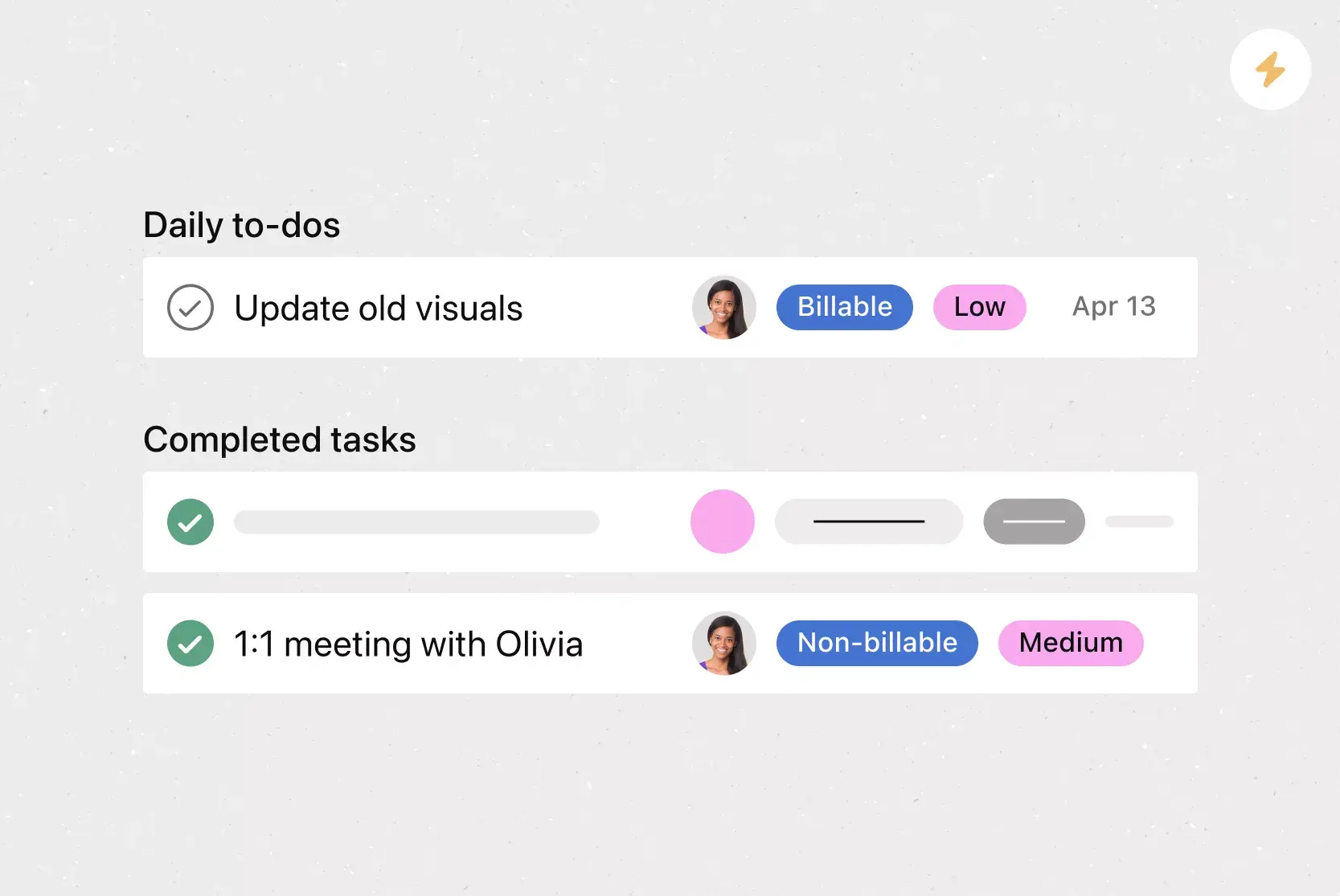
First, create a section listing everything you plan to get done that day, including upcoming meetings, small tasks to knock out, and big to-dos. To better prioritize your work, add tags for priority, billing type, status, and effort.
2. Create a "completed tasks" section with time blocks for the day.
The "completed tasks" section is where you record your to-dos as you finish them. It starts empty and fills up during the day. Try breaking your day into one-hour or half-hour blocks, and adjust as needed.
3. Log your activities and tasks as you complete them.
As you finish each task from your daily to-do list, write it down in the completed tasks section along with how long it took. For example, if you check emails from 8am to 9am, log "reviewed emails" in the 8am to 9am time block. If your time doesn’t match the blocks exactly, just adjust as you go.
4. Track your personal time.
Remember to log activities that aren’t part of your main work, like lunch, long coffee breaks, or personal appointments. Taking breaks is normal after focusing for a while. Recording these times helps you see a true picture of your day.
5. Review your completed (or incomplete) tasks.
Before you finish your day, review what you’ve completed and see if anything is still unfinished. If you didn’t get to some tasks, write down why. Ask yourself:
Unexpected interruptions: Did unplanned tasks or meetings pop up?
Time estimates: Did an assignment take longer than expected, and if so, why?
Blockers: When or why did you feel stuck?
Your answers to these questions will help you understand your work log better when you review it.
6. Analyze your performance and brainstorm ways to improve.
Make it a habit to review your work logs at the end of each week or month. Look for patterns and things that keep taking up your time, such as:
Spending hours each day checking and responding to emails
Procrastinating on certain tasks
Use what you find to come up with ways to improve, like:
Eliminating or automating unimportant tasks
Delegating time wasters
Using time management techniques to focus on and accomplish your most important work
Integrated features
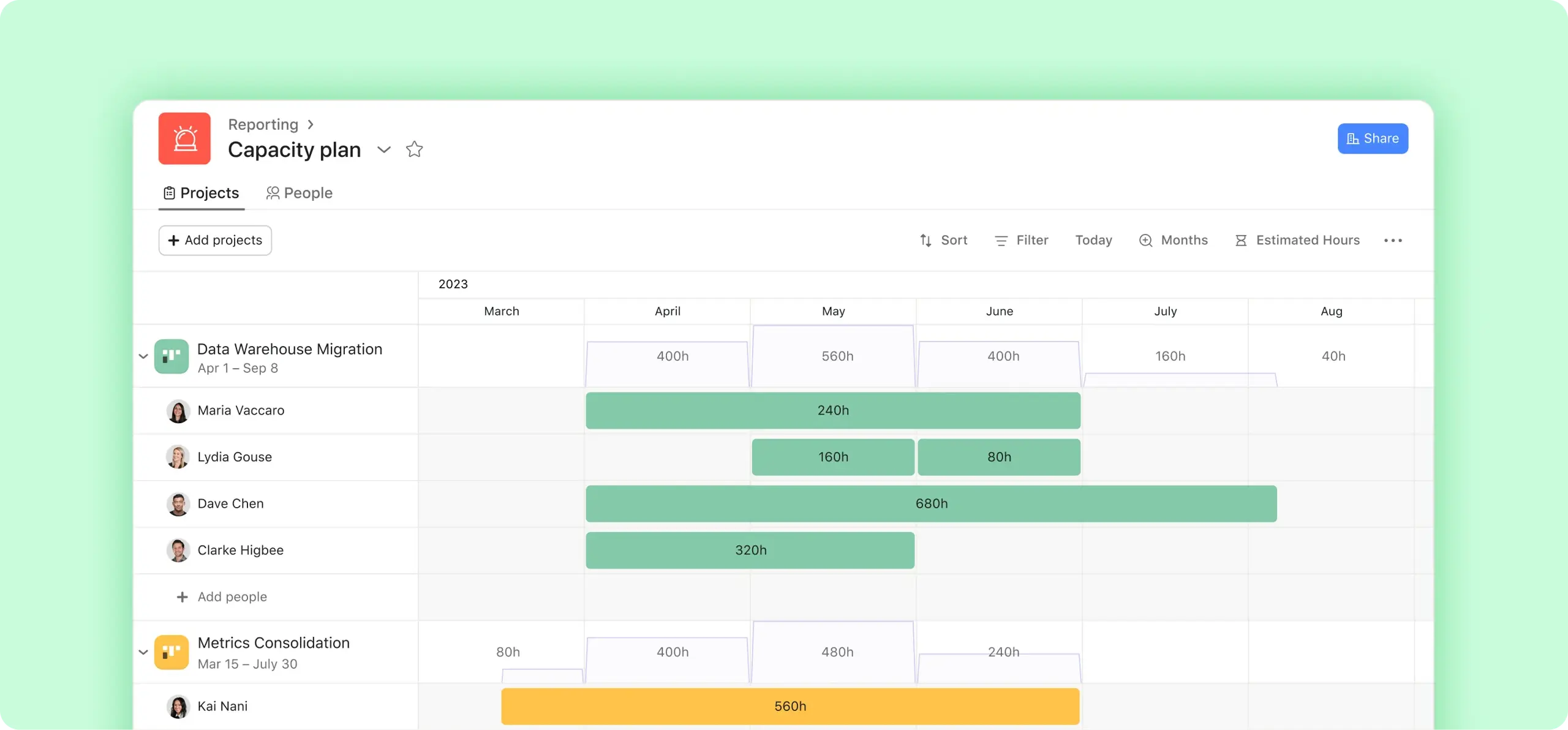
Workload. Workload gives you a visual snapshot of team capacity by showing what your team members are working on across projects, all in one place. With this at-a-glance information, you can pinpoint conflicts, address risks, and keep projects on track by reassigning or rescheduling tasks.
Dashboards. Dashboards are project-level tabs containing graphs and visualizations that let you zoom out from the day-to-day to quickly understand your project's progress. Customize Dashboard charts to instantly identify potential blockers in your team's work and move the project forward.
Custom fields. Custom fields are the best way to tag, sort, and filter work. Create custom fields for any information you need to track, from priority and status to email addresses and phone numbers.
List View. List View is a grid-style view that lets you see all your project's information at a glance. Like a to-do list or a spreadsheet, List View displays all of your tasks at once so you can see task titles, due dates, and any relevant custom fields.
Recommended apps
Clockwise. With the Clockwise + Asana integration, you can add Asana tasks as time blocks in your Google Calendar. The integration allows you to specify task durations, when they occur, and whether Clockwise can automatically reschedule them.
Google Workplace. Attach files directly to tasks in Asana using the Google Workspace file picker, built into the Asana task pane. Easily attach any My Drive file with just a few clicks.
Dropbox. Attach files directly to tasks in Asana using the Dropbox file chooser, built into the Asana task pane.
Box. Attach files directly to tasks in Asana using the Box file picker, built into the Asana task pane.
Take control of your time with Asana
A work log template is one of the simplest ways to understand how you spend your time and find opportunities to work more effectively. Whether you're tracking billable hours, managing a busy team, or simply trying to cut down on busywork, a digital work log gives you the visibility you need to make smarter decisions about your day.
Get started with Asana and see how easy it is to track, manage, and improve the way your team works.
Create a work log templateFAQs about work log templates
Digital work log templates give you a real-time picture of how you spend your time each day, helping you improve time management and productivity.
Yes. Even if time tracking isn't required for your role, a work log template shows you where your time actually goes, helping you identify and eliminate hidden time-wasters.
Accurate time tracking shows you exactly how your workday is spent, so you can identify tasks to delegate, eliminate, or streamline. It also helps you create better project estimates for upcoming projects.
Create two sections, one for daily to-dos and one for completed tasks, then add custom fields like time blocks, billing type, and priority. Once built, duplicate the template for continuous tracking.
Add your planned tasks to the daily to-dos section, then move each one into the completed section as you finish it, noting start time, end time, and any blockers. Review at the end of the day to spot patterns.
Review your work log at the end of each week and sort tasks by time spent to identify patterns and recurring time-sucks. Use those insights to delegate, eliminate, or streamline low-value tasks.
Related templates












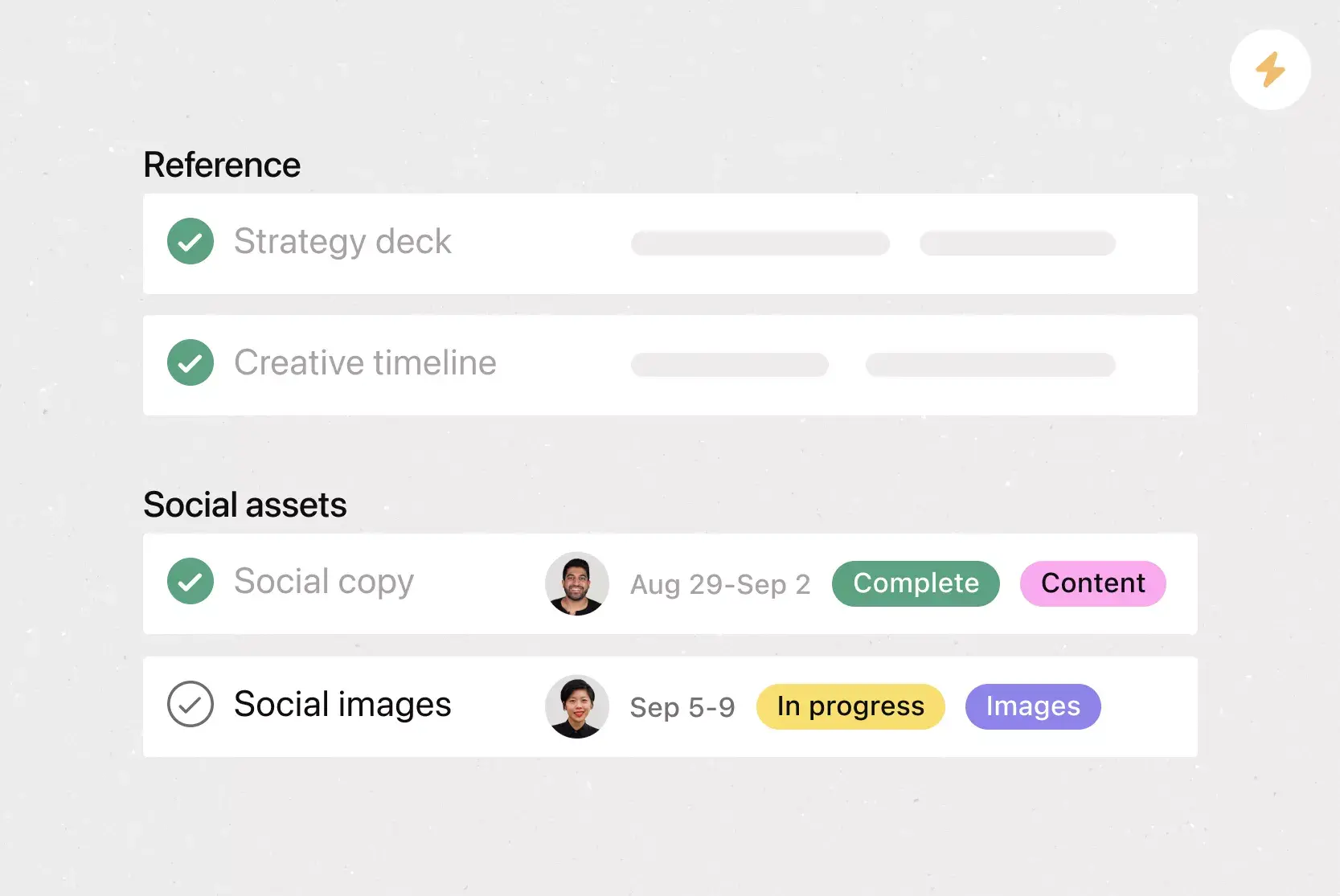
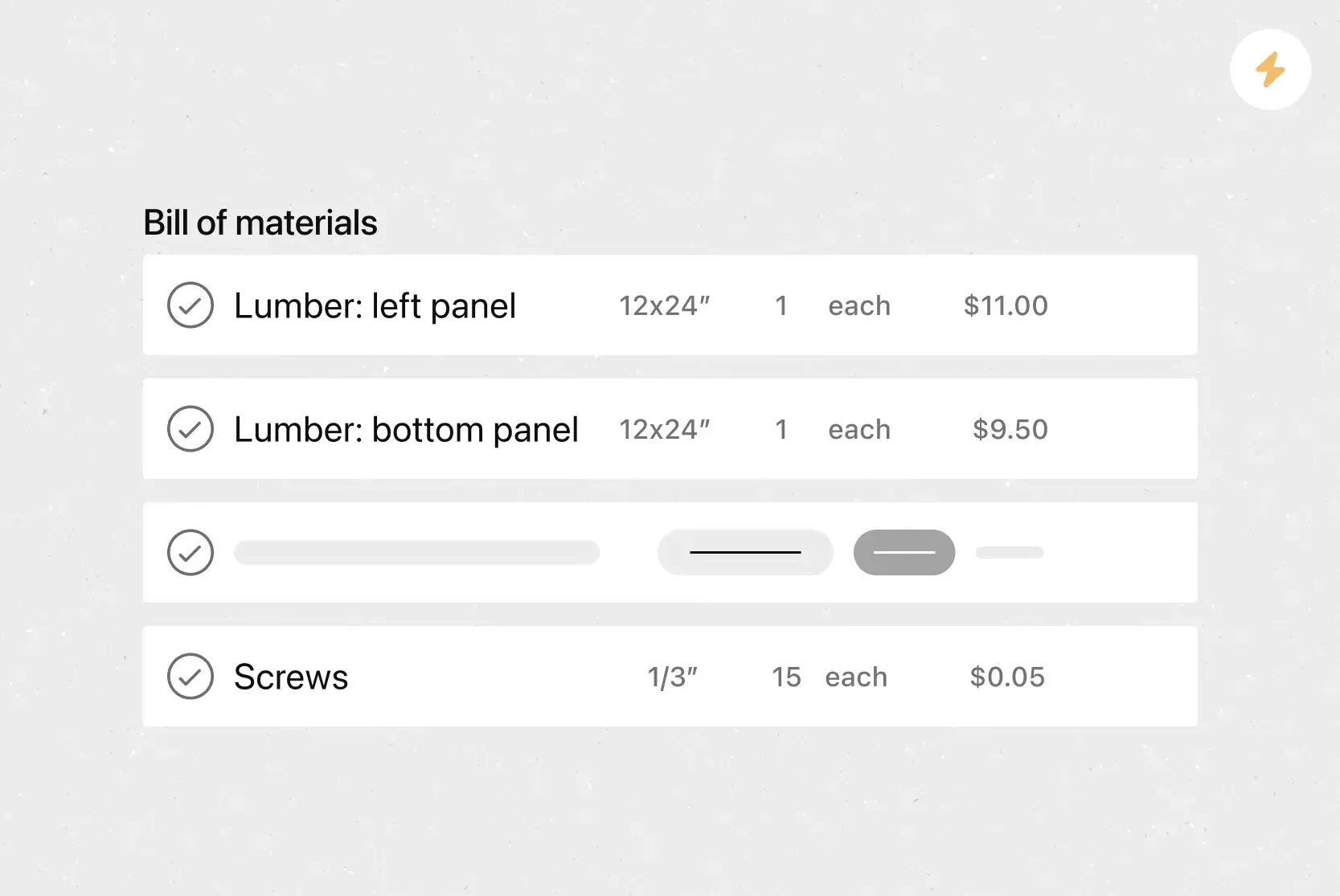
Create templates with Asana
Learn how to create a customizable template in Asana. Get started today.